
Defining Your Design Style


Design is meant to be subjective, but when narrowing in on your personal style preferences it can seem overwhelming. Boho chic, farmhouse, modern, traditional. There are so many styles and they often overlap. When trying to figure out your personal design style, where do you even start?
The first place I began is researching what the different design styles are and what elements make up each style. Sometimes, the materials are varied from style to style. But, oftentimes, the materials remain the same while the way in which they are implemented is what creates and defines the specific style.
Below you will see a list of prevalent design styles and what elements make up each.
Modern Farmhouse
Modern Farmhouse is traditional yet comfortable. It is cozy but not heavy on the accessories. On the heels of the movement toward modern design, the modern farmhouse emerged as a blend between modern lifestyle and the comfort of old, country homes. Material elements that define this style are wide plank floors, shiplap, barnwood doors, neutral color palettes, exposed brick and brushed metal hardware.
Traditional
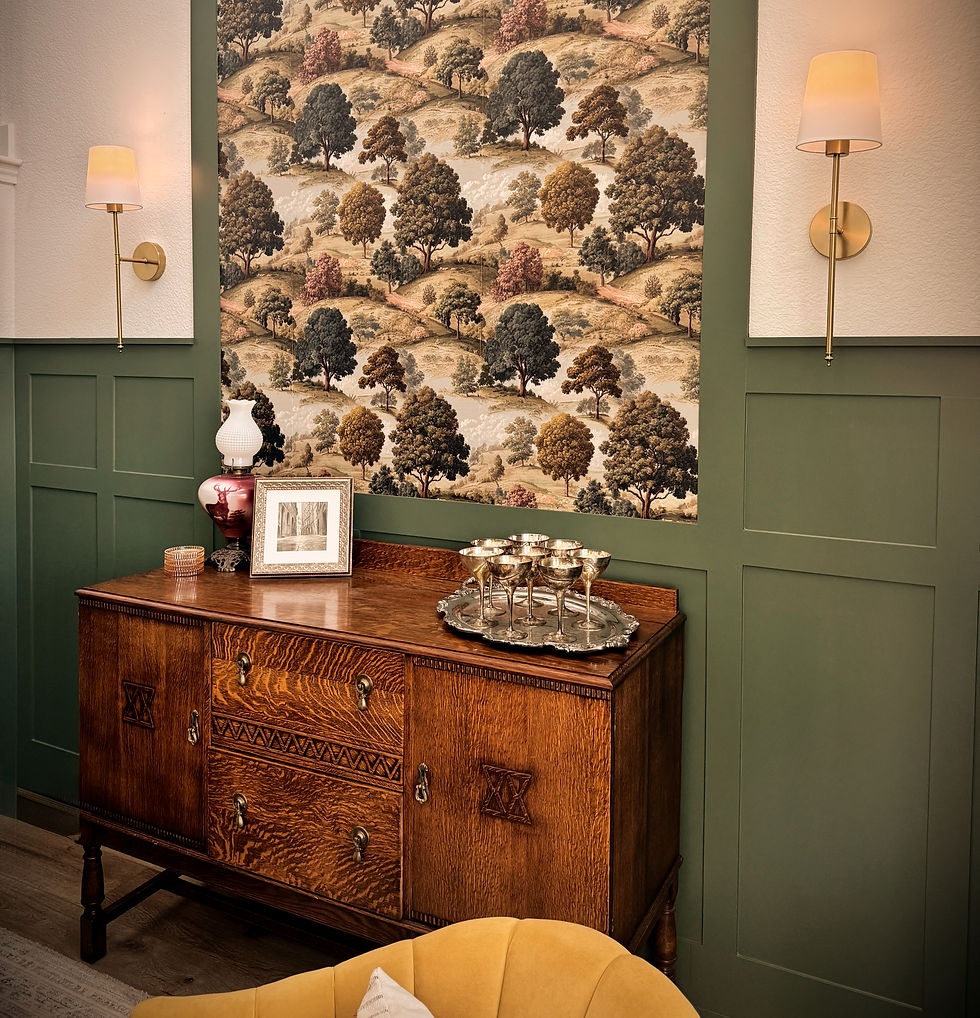
The Traditional interior design style is inspired by European design in the 18th and 19th centuries. It is a timeless and classic look. Some elements that are characteristic of this style are dark wood floors, neutral wall colors with bold-colored accessories and furniture, built-in cabinetry, crown molding, wainscoting, coffered ceilings and symmetry in the overall design.
Coastal
Coastal design should echo the soothing colors and atmosphere of the coast. You don't have to frame pictures of fish and seashells to obtain the coastal design. Rather, the design elements and colors you choose should subtlety remind you of the ocean. The design elements that exemplify this style are raw materials like rattan and wicker, light and open spaces, tons of natural light, slipcovered furniture, color palette of lots of white with mixed in blues and greens and light-colored to medium-colored hardwood floors.
Contemporary / Transitional
Transitional is an ever evolving design style that combines elements of the traditional with the contemporary. It is a style that ignores all typical design "rules" to create a style that is as unique as each homeowner - a perfect blend between the masculine and feminine elements of design. This style has an open-ended definition, but typically incorporate straight-lined furnishings juxtaposed against traditional architectural features, minimal accessories with simple focuses, neutral color palettes with raw material accessories.
Mediterranean
Mediterranean is a branch of coastal design that is specific to the European coastline along the Mediterranean Sea, specifically Greece, Italy and Spain. Its style brings the outdoors inside to create a flow between the two. Design elements include textured walls like stucco, arched doors and doorways, color palette of white and earth tones, Moroccan mosaic tiles, dark wood floors and terra cotta tile, open spaces for casual entertainment, iron lighting fixtures and water features inside and outside the home.
Organic Modern
Organic Modern is a design style that looks just like it sounds. It blends modern architecture with organic textiles and accessories. The color palette is influenced by nature while maintaining the sleekness of the modern, clean lines. Elements that define this style are raw wood and stone materials, organic shapes reminiscent of nature juxtaposed against modern lines, repurposed and sustainable materials. minimalist styling, strict neutral color palette mixed with raw natural materials and textiles.
You may find that you like elements of each design style, and that's totally acceptable! I enjoy organic modern elements, Mediterranean architectural features and traditional elements like wainscoting. I find that homes reflecting only one particular design style can often feel sterile and cold, rather than homey and personable. Your home should reflect you, and you are unique - unlike anyone else. So, even your take on traditional will vary from another's take on traditional design style. And, again, that's okay! As I previously said, design is subjective. When you find architectural features, textiles, furniture and accessories you like, try to define why you are drawn to them. The why will help you in choosing other elements for your home that are cohesive, yet unique. The why will also help your designer select materials you will love. What will tie your home together into one cohesive piece of art is not staying within one particular style simply for the sake of consistency; what ties your home together is you and your love for each unique piece.
Enjoy the adventure of discovering your own style and remember to keep it fun!


Comments